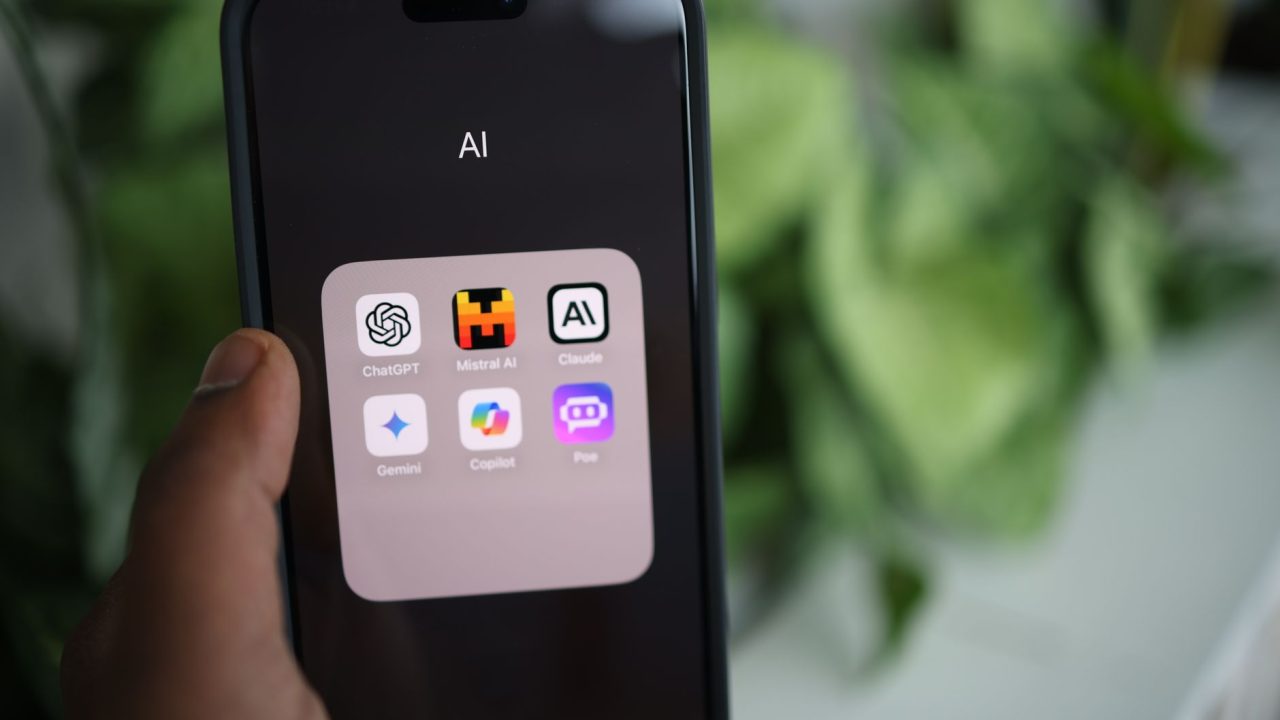
Last month, I was working with a client who wanted to understand why their news content wasn't being cited in ChatGPT responses. They'd seen OpenAI's licensing deals with major publishers and assumed their own content would be swept into the training data automatically. When I dug into it, I realized they, and I, honestly, had been operating on a fundamental misunderstanding about how these AI partnerships actually work. That gap between assumption and reality is exactly what's been bothering me about how we talk about AI visibility.
The truth is messier than headlines suggest. When you hear "OpenAI partners with AP," it doesn't mean every piece of information flows into every model in the same way. It doesn't mean your website will suddenly start appearing in ChatGPT outputs just because you publish well. I've been building products that interface with AI systems for the past few years, and watching this play out in real time has changed how I think about AI as an infrastructure layer.
The Licensing Map Isn't a Treasure Map
Here's what threw me initially: I thought publisher licensing deals would be this transparent, discoverable thing. A public ledger of who-talks-to-whom. But what we actually have is a patchwork of different agreements with different scopes. OpenAI's deal with Axel Springer covers training and display. Their AP partnership is about archival content. Google's AP arrangement is specifically for real-time news feeds in Gemini. These aren't interchangeable, they're fundamentally different forms of access.
When I looked at the guide mapping these arrangements, I had to recalibrate my expectations. There's no single database showing what every assistant knows. The terms are often confidential. Some deals are exclusive, some aren't. A publisher might work with three different AI companies simultaneously, with completely different rights granted to each. This matters because it means there's no shortcut to "AI visibility." You can't just get licensed and rank higher everywhere.
Training Rights and Retrieval Rights Are Not the Same Thing
This distinction genuinely felt like a lightbulb moment for me. Training rights mean an AI company can use your content to improve the model itself. Retrieval rights mean they can pull your content into responses when talking to users. Sounds similar in business-speak, but they're architecturally different.
If your content is used for training, you're contributing to the foundation of how the model understands a topic. That's valuable but invisible. If your content has retrieval rights, it might show up in citations or summaries. But publicly announced partnerships don't always clarify which rights are granted. This opacity has real consequences for how teams should think about their discovery strategy.
What This Means in Practice (And What I'd Actually Do)
If I'm being honest, this doesn't change my advice to content teams as much as it clarifies it. The old wisdom still holds: publish accurate, distinctive, well-structured information. Make it easy to find on your actual website. Separate claims from opinion. These fundamentals don't become obsolete when AI assistants exist.
But here's what I'd add now: stop betting your discovery strategy on a single AI provider's partnerships. Don't assume that because one assistant has publisher data, all of them do. And absolutely validate any facts or claims you see AI outputs generate, especially around product details, pricing, or news. Just because an AI cites something doesn't mean that citation is accurate or up-to-date.
I'd also be more strategic about tool selection. If your team is choosing between Claude, ChatGPT, and Gemini for research work, you should actually test them with your own domain. See what they know. See where they cite real sources versus hallucinate. The licensing agreements are a signal that publishers value certain AI partnerships, but they're not a guarantee that the model will use that data correctly or even at all.
The Question I'm Still Sitting With
What I keep coming back to is this: if AI visibility is fragmented across platforms with different partnerships and different rights, how do content creators actually compete? The answer probably isn't a single strategy. It's probably a diversified approach, strong fundamentals, presence across multiple platforms, and continuous validation.
The licensing wave we're seeing is reshaping discovery, but it's not replacing it. It's complicating it. That's worth paying attention to.
Source: This post was inspired by "AI Publisher Licensing Deals Are Reshaping Content Visibility Across Major Assistants" by Dev.to. Read the original article