Why I'm Betting Against Single-Vendor Lock-In (And What Nvidia's Alleged Scarcity Play Taught Me)
Adil Sher
Author
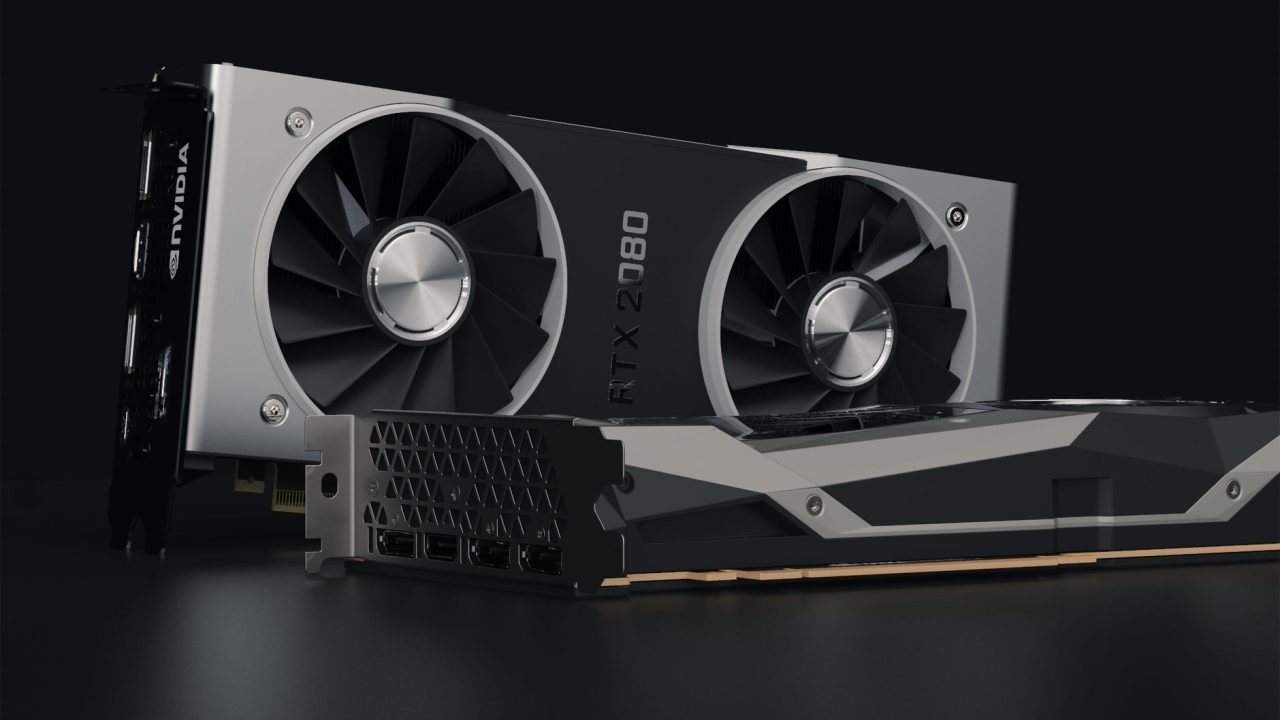
Last quarter, I watched a junior developer on my team waste two weeks waiting for GPU access. Two weeks. We'd planned a model fine-tuning sprint around Nvidia H100 availability, but the instances kept getting preempted or the spot prices spiked 40% overnight. I remember thinking: "We built our entire pipeline assuming we could always get Nvidia silicon." That assumption is now costing us real money and real time. When I read about Nvidia allegedly engineering scarcity by funneling chips to preferred startups, something clicked, this isn't just a supply-chain problem. It's a wake-up call about architectural laziness.
The whole situation feels like we've been sleeping at the wheel. We've treated Nvidia GPUs like they're infinite and interchangeable, when the reality is that we've outsourced our compute strategy to a single vendor. Now that vendor might be playing games with availability, and suddenly our production ML pipelines are fragile.
The Real Cost of Scarcity (And It's Not Just Price)
Yes, GPU prices jump when supply tightens. But that's the shallow read. What I'm actually worried about is time.
When you're iterating on an LLM fine-tune or experimenting with prompt engineering at scale, every week of waiting compounds into delayed launches and missed market windows. Our team learned this the hard way. We had a customer deliverable that required training a 13B parameter model with custom adapters. The wait for on-prem Nvidia hardware pushed us back three weeks. Three weeks. In a startup context, that's the difference between shipping and being scooped.
The other angle that keeps me up is innovation inequality. If only well-funded companies with insider access can afford the latest silicon, smaller teams get pushed to older architectures or abandoned frameworks. That's not just unfair, it creates a moat that's purely based on purchasing power, not technical merit. I've seen brilliant researchers struggle because they're stuck on V100s while Sequoia-backed startups get day-one H100 access.
What I'm Doing Differently Now
I learned from that two-week nightmare. We now run a deliberately heterogeneous stack.
On the on-prem side, we've added AMD Instinct MI250X nodes alongside our Nvidia cluster. It cost us some engineering time to support both CUDA and ROCm, but the flexibility is worth every hour. We use PyTorch 2.0 with XLA, which lets us swap backends without rewriting training loops. When one vendor's prices spike, we're not completely stuck.
For cloud workloads, we've stopped chasing on-demand instances. Spot and preemptible instances are 60-80% cheaper, and yes, they get interrupted occasionally. But we've built interruption-aware training checkpointing, so losing a machine mid-epoch just means resuming from the last checkpoint. The cost savings dwarf the engineering complexity.
Here's a monitoring script I wrote that's actually saved us hours of manual checking:
#!/bin/bash
# gpu-monitor.sh - alerts when GPUs are underutilized

SLACK_WEBHOOK="${SLACK_WEBHOOK_URL}"
THRESHOLD=90

while true; do
 for gpu in $(nvidia-smi --query-gpu=index --format=csv,noheader); do
 FREE=$(nvidia-smi --query-gpu=memory.free --format=csv,noheader,nounits -i "$gpu")
 TOTAL=$(nvidia-smi --query-gpu=memory.total --format=csv,noheader,nounits -i "$gpu")
 PCT=$(( 100 * FREE / TOTAL ))

 if [ "$PCT" -ge "$THRESHOLD" ]; then
 curl -X POST -H 'Content-type: application/json' \
 --data "{\"text\": \"GPU $gpu is ${PCT}% free - queue a training job\"}" \
 "$SLACK_WEBHOOK"
 fi
 done
 sleep 300
done
Deploy this as a systemd service and suddenly you've got real-time visibility into when compute is actually available. We've cut idle GPU time by about 15% just by scheduling training jobs smarter.
My Real Take on All This
The Nvidia situation feels less like a conspiracy and more like the inevitable outcome of having one vendor control 95% of the market. Do I think they're deliberately scamming smaller developers? I'm skeptical of the conspiracy framing. But do I think they can engineer demand through preferential access? Absolutely. And that's a problem worth taking seriously.
The practical response isn't anger, it's resilience. Diversify. Build for multi-backend support. Budget conservatively for GPU costs and expect volatility. Stop treating Nvidia availability like a given.
I'm not anti-Nvidia. Their hardware is genuinely good. But good hardware paired with assumed infinite availability is a recipe for disaster. We've learned to plan like our preferred vendor might disappear tomorrow.
What's your team's actual GPU strategy? Are you fully committed to one cloud provider, or have you started hedging your bets?
Source: This post was inspired by "Nvidia's GPU Scarcity Playbook: What It Means for AI Engineers and How to Navigate It" by Dev.to. Read the original article