Why Germany's Energy Grid Made Me Rethink How We Build Scalable Systems
Adil Sher
Author
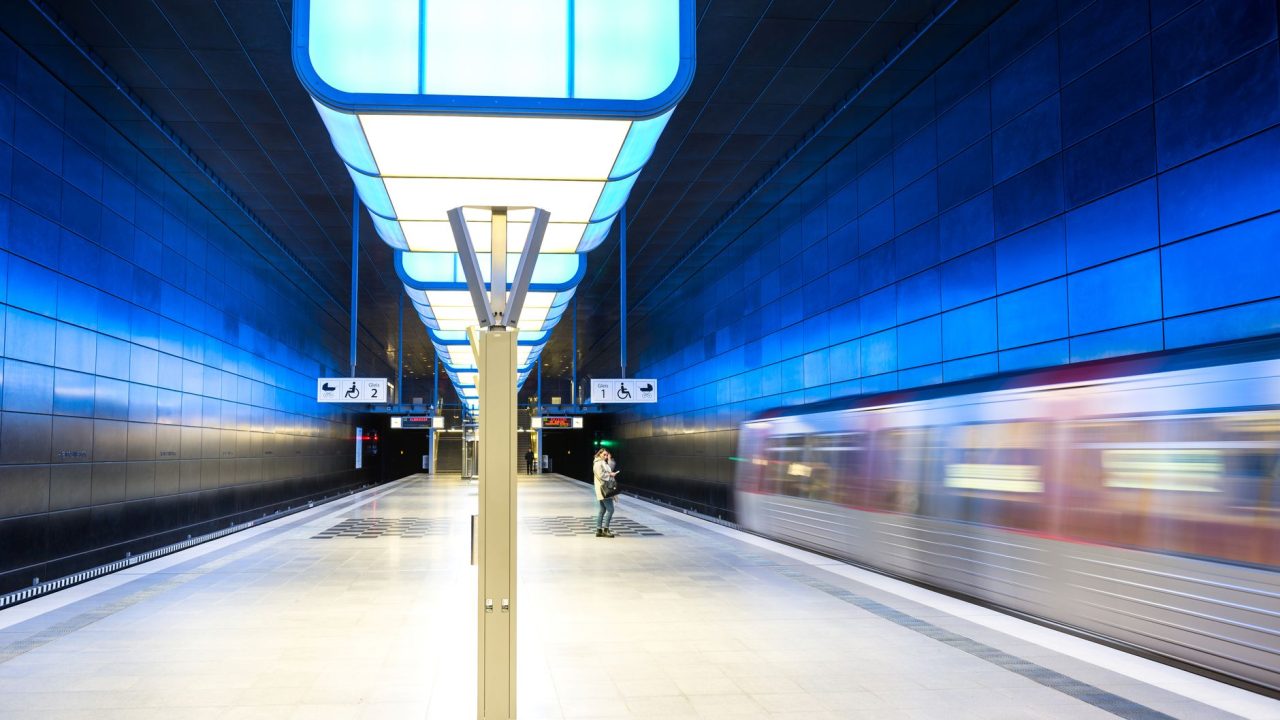
Last month, I was debugging a load-balancing issue in one of our applications, trying to figure out why traffic spikes weren't being distributed evenly across our infrastructure. My colleague mentioned something offhand: "We need to think of this like a power grid." That comment stuck with me. A few days later, I read that Germany had finally crossed the line where wind and solar generated more electricity than fossil fuels in a single year. And suddenly, I realized this wasn't just an energy story, it's a systems design story that developers need to understand.
The reason? Because Germany didn't just build more turbines and solar panels. They built infrastructure that handles variability at scale. They created systems that aggregate distributed resources, forecast demand, and route power intelligently. If you've ever worried about handling unpredictable traffic patterns in production, you've essentially faced the same problem Germany solved.
The Real Achievement Isn't the Numbers, It's the Architecture
Germany hit 54% renewable generation in 2025, with wind alone responsible for roughly 38%. That's genuinely impressive, but here's what actually matters: they did this while maintaining 99.9% grid uptime. That's the engineering accomplishment.
The numbers are clear, wind and solar generated about 286 TWh against fossil fuels' 150 TWh. But the real insight is in how they managed that transition. They didn't just retire coal plants and cross their fingers. They built redundancy, forecasting, and smart routing into their grid operations.
Understanding the System Design Lesson
What caught my attention most was how Germany handled intermittency. Wind power varies. Solar power is entirely predictable (it's zero at night), but the output fluctuates throughout the day. Traditional grids with stable fossil fuel sources didn't need to solve this problem aggressively. Germany had to.
Their solution involved three layers:
Cross-border arbitrage: Germany exports excess power to France, Poland, and imports from Scandinavia when needed. It's distributed caching with geographic redundancy. When you have surplus, you buffer it elsewhere. When you have deficit, you pull from storage.
Energy storage at scale: Battery capacity doubled to 12 GW, pumped hydro sits at 9 GW. This is literal buffering, storing energy when production exceeds demand, releasing it when demand spikes. Any developer who's tuned database query caching understands this pattern.
Demand-side flexibility: Smart meters in 25% of households, time-of-use pricing, EV chargers that charge during low-price windows. This is load leveling. Instead of trying to match supply to rigid demand, they made demand flexible to match supply.
My Take: This is Software Engineering, Not Just Infrastructure
Here's what struck me: Germany's energy transition success relies heavily on software. Virtual power plants that aggregate distributed solar panels and batteries? That's a software system. Forecasting wind and solar output with machine learning? That's data engineering. Market design that responds to negative electricity prices? That's algorithmic decision-making.
The Python example in the original article, a simplified virtual power plant, shows exactly what I mean. It's basic, but the concept is real. Thousands of small solar installations and batteries need to be coordinated in real-time. That coordination layer is software.
What would I do differently? I'd emphasize that this transition isn't a infrastructure victory, it's a systems thinking victory. Too many people see energy as separate from tech. It isn't. The same principles we use for distributed systems, fault tolerance, and load balancing apply directly.
The Code Layer: How This Actually Works
class EnergyBuffer:
 def __init__(self, capacity_gwh):
 self.capacity = capacity_gwh
 self.current = 0
 self.forecast_error_margin = 0.15 # 15% buffer

 def can_accept(self, incoming_mw, hours):
 energy_needed = incoming_mw * hours
 if self.current + energy_needed > self.capacity * (1 - self.forecast_error_margin):
 return False
 return True

 def store(self, energy_mwh):
 self.current = min(self.current + energy_mwh, self.capacity)

 def dispatch(self, demand_mwh):
 available = min(self.current, demand_mwh)
 self.current -= available
 return available
This is trivially simple, but it illustrates the core pattern: forecast → buffer → dispatch. Germany's entire grid is essentially managing this at 300+ GW scale with weather forecasting, predictive analytics, and cross-border coordination layered on top.
What This Means for Developers
If you're building anything that handles variability, traffic spikes, user demand fluctuations, API rate limits, Germany's energy grid is a master class in systems design. Redundancy, buffering, flexible routing, forecasting, and graceful degradation aren't buzzwords. They're survival strategies.
The bigger question: How many of our systems are still built like coal plants, expecting stable, predictable load? And how many need redesigning to handle the variability of the real world?
Source: This post was inspired by "Germany's Energy Revolution: Wind and Solar Overtake Fossil Fuels for the First Time" by Dev.to. Read the original article