Last month, I was debugging a model inference timeout at 2 AM. Our API was slow, the customer was frustrated, and I kept thinking the same thing: if only we had access to better compute. We were sharing cloud resources with hundreds of other companies, fighting for GPU time like it was a commodity. That's when I saw the news about SpaceX acquiring Cursor for $60 billion, and something clicked. This isn't just another billionaire buying a startup, it's a fundamental shift in how AI tooling companies will actually compete.
Most developers treat infrastructure as a solved problem. You pick AWS, Azure, or GCP, maybe negotiate a volume discount, and move on. But what I've learned building production systems is that access to compute is no longer a commodity, it's the actual differentiator. And SpaceX just made a very expensive bet that proves it.
The Deal, Stripped Down
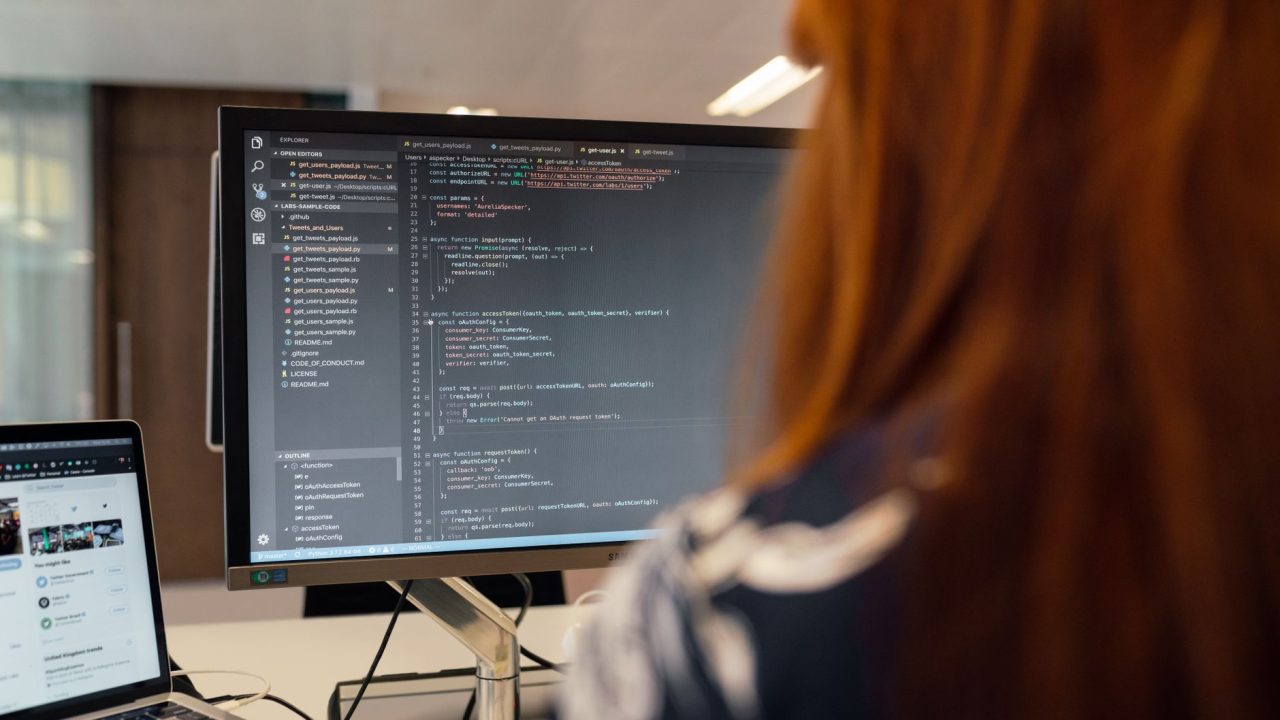
Cursor got acquired after SpaceX gained access to what they're calling "the largest fleet of GPUs in the world." SpaceX isn't just a rocket company anymore, they've been renting out their massive computing infrastructure to companies like Anthropic and Google. So when they bought Cursor (the popular VS Code-based AI coding assistant), it wasn't random. It was strategic consolidation.
The timing matters too. SpaceX went public in June, closed this deal in August. That's a company moving fast on its strategic priorities. They're not quietly integrating teams, they're publicly positioning Cursor as their flagship consumer product for AI infrastructure.
Why This Actually Changes Things
Here's what keeps me up at night: Cursor's advantage was always its latency and responsiveness. The assistant felt snappy because they were optimized at every layer. Now they have direct access to the silicon. That's not a marginal improvement, that's potentially 10x better performance than competitors paying cloud premiums.
I've been using Cursor for six months in my freelance projects, and I've always noticed it's faster than alternatives. I assumed it was just better engineering. It is, but I was wrong about the source of that advantage. Part of it is probably SpaceX's infrastructure advantage leaking through already.
Think about what this means for code generation. If Cursor can run models on SpaceX's dedicated GPUs with 10ms latency instead of 200ms, that changes the entire user experience. Suddenly you're not waiting for suggestions, they're appearing as you type. That's a product experience that's genuinely hard to replicate without owning your own infrastructure.
The Uncomfortable Truth
I have to be honest here: this scares me a bit. Not because SpaceX is evil (they're not particularly evil), but because vertical integration of infrastructure and AI products is becoming the winning strategy.
If you're building an AI tool today and you're relying on someone else's compute, you're at a disadvantage. You're paying margin on top of margin, and you're subject to someone else's rate limits and reliability. Google knows this, which is why they're building their own TPUs. Meta knows it, which is why they're pushing custom silicon. Now SpaceX is signaling that whoever controls compute controls the AI developer tools layer.
The alternative is consolidation into larger platforms. Cursor was independent, fighting against GitHub Copilot and other tools. Now they have an unfair advantage because of infrastructure access. That's not inherently bad, it might actually make the product better, but it's a signal that standalone AI tool companies are in trouble unless they have exceptional advantages elsewhere.
What This Means for Me (and You)
I'm thinking about this from two angles now:
First: If I'm choosing tools to recommend to clients, Cursor just became more of a safe bet. They have institutional backing and infrastructure advantages. That's worth something in production work where reliability matters.
Second: If I were starting an AI startup today, this acquisition would change my thinking about architecture. You either need differentiated access to compute, or you need to build something that isn't compute-sensitive. The middle ground, building a nice interface on top of commodity APIs, is getting crowded and unprofitable.
What concerns me is whether this trend concentrates too much power. SpaceX now owns a significant piece of how developers will interact with AI tooling, powered by infrastructure only they control.
The Questions I Have
What happens when SpaceX decides to prioritize their own projects over Cursor's development? What if they need those GPUs for something else? And what does this mean for teams using Cursor at companies that compete with SpaceX's interests?
These aren't paranoid questions, they're practical ones I'd ask before betting my workflow entirely on a tool owned by a company with such diverse interests.
Source: This post was inspired by "SpaceX officially closes its Cursor acquisition" by TechCrunch. Read the original article